
he phrase “Beautiful referee” has surged across football searches and social platforms after several high-profile women officials appeared in major matches, but the attention has exposed an uncomfortable split between admiration and objectification. Supporters often use “Beautiful referee” as a harmless compliment, posting photographs of officials such as Stéphanie Frappart, Rebecca Welch and Salima Mukansanga. Others argue that the label reduces trained professionals to their appearance, shifting the conversation away from decisions, preparation and authority. The debate became particularly sharp after clips of female referees making difficult calls circulated online, attracting comments about hairstyles, clothing and facial expressions rather than the laws of the game. A “Beautiful referee” may draw more clicks, yet the match still turns on whether an offside call is correct。whether a tackle deserves a booking and whether an official can control players under pressure.Frappart’s career illustrates why the “Beautiful referee” label feels both powerful and limiting. She became the first woman to referee a men’s World Cup match in 2022 and had already taken charge of major European fixtures, including the UEFA Champions League final in 2022. Her record was built through years of fitness tests。
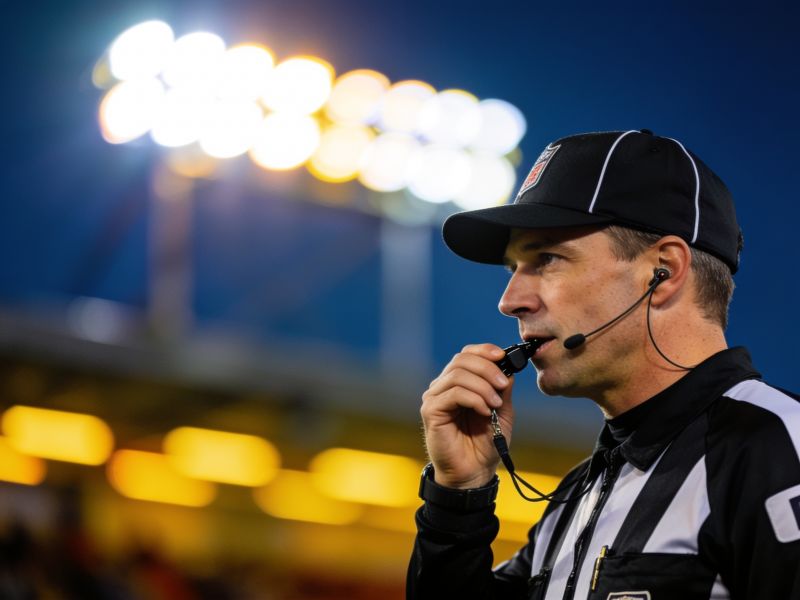
technical assessments and assignments in increasingly competitive environments. Online searches, however, frequently place “Beautiful referee” beside her name, as though appearance were a central qualification. That framing can be frustrating for officials who spend hours studying tactical patterns and reviewing video incidents. A referee’s value is rarely visible until a difficult moment arrives: a crowded penalty area, a late challenge hidden behind two players, or a stadium reacting angrily to a disputed decision. In those seconds, the image of a “Beautiful referee” gives way to concentration, positioning and courage.Rebecca Welch has faced a similar contrast between public curiosity and professional responsibility. When she became the first woman to referee a Premier League match in December 2023, the historic appointment generated global coverage. Much of it focused on the significance of the occasion, yet social media also recycled the “Beautiful referee” tag, often attached to photographs selected for appearance rather than action. Welch’s performance against Fulham and Burnley drew attention because she managed a fast, physical contest without allowing the occasion to overwhelm her. Players tested her authority in the ordinary way。as they would test any official. She responded through clear signals, steady movement and communication with her assistants. The “Beautiful referee” conversation says something about the audience as much as it says about the official: fans are increasingly interested in women in football, but some still approach them through celebrity culture before sport.There is also a commercial reason the phrase “Beautiful referee” travels so quickly. Images of female officials perform well on short-form video platforms, where a still frame can gather thousands of reactions before a full match report appears. Accounts seeking engagement understand that “Beautiful referee” is an easy caption, especially when paired with a slow-motion entrance, a close-up or a glamorous portrait. That traffic can help broaden interest in women’s officiating。but it can also create a hostile environment. Officials have reported abusive messages, invasive comments and demands for personal information after becoming visible online. The distinction between appreciation and intrusion is not difficult to understand: praise a decision, a performance or a career milestone, rather than treating a professional as visual content. Calling someone a “Beautiful referee” once may seem minor;repeating it under every image can turn a compliment into a public identity imposed by strangers.
Football does not need to ban the phrase “Beautiful referee” and fans will continue to use it regardless of editorial guidance. The more useful response is to give the officials’ work equal visibility. Match coverage can explain how a referee handled advantage, why a video review changed a decision and what fitness standards the crew completed before kickoff. When a “Beautiful referee” makes a strong call, the call should lead the headline. When an official makes a mistake, criticism should address the decision without relying on sexist abuse or personal attacks. The phrase may remain part of the online vocabulary, but it should not become the defining description of women who have earned their place in elite football. A “Beautiful referee” can be attractive, experienced。demanding and technically excellent at the same time;only the final three qualities determine whether the match is fairly controlled.