
Miyuhime is not a name that rolls off the tongue of every Japanophile。yet the figure behind it carries a quiet, persistent weight in certain corners of folklore studies. I first encountered her in a dusty volume of local legends from Shimane Prefecture, where she appears as a shrine maiden with an unsettling gift: the ability to hear the voices of the dead. That detail alone sets her apart from the dozens of benevolent, passive princesses that populate Japanese myths. Miyuhime doesn't wait to be rescued. She listens, interprets, and sometimes—if the stories are to be believed—negotiates.
The earliest references to Miyuhime are fragmentary, scattered across Edo-period collections like the Izumo Fudoki and a handful of shrine registers. She is often described as a daughter of a lesser deity, tasked with maintaining a small。remote sanctuary on the Sea of Japan coast. What's striking is the lack of a heroic narrative around her. No dragon is slain, no empire founded. Instead, her legends revolve around ritual silence—periods where she would seclude herself for weeks, emerging only to deliver cryptic warnings about storms or betrayals. One account from 1732 records her predicting a tsunami that struck the Oki Islands;the local lord dismissed her, then later rebuilt her shrine as penance. I find this pattern telling. Miyuhime's power lies not in action but in attention, a kind of spiritual vigilance that modern readers might mistake for passivity.Scholars have debated whether Miyuhime is a singular figure or a title passed between shrine maidens over generations. The confusion stems from inconsistent naming in regional texts—sometimes she's 'Miyu-hime。' other times 'Miyu no Himiko,' and in one obscure manuscript, simply 'the listening woman.' Folklorist Tanaka Chiyo argued in the 1970s that these variations reflect a deliberate obfuscation by local priests who wanted to protect her identity from outside interference. I'm not entirely convinced;it's equally likely that oral transmission simply eroded the details. What remains consistent is the association with water and thresholds. Her shrines almost always sit near a river mouth or tidal cave, and offerings left for Miyuhime are notoriously particular: salt, unspun thread, and broken combs. Why broken combs?
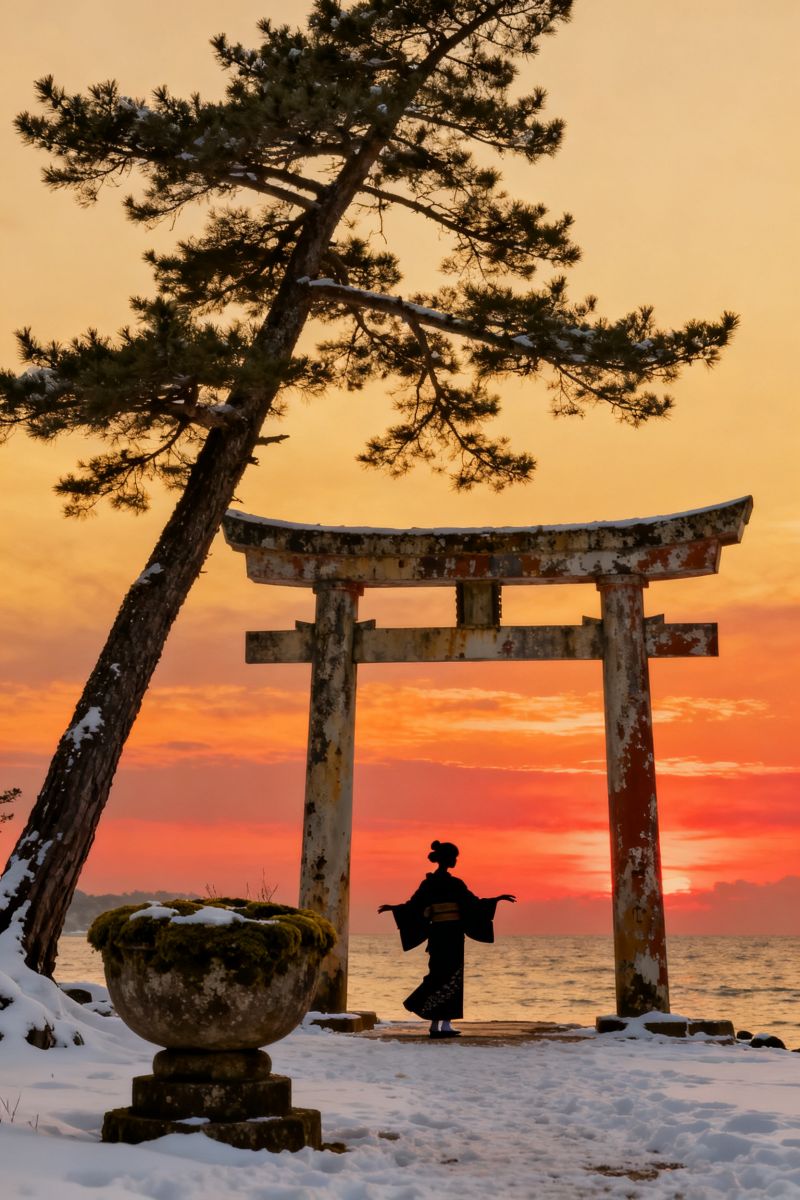
No source explains it, and that unexplained specificity is precisely what makes her feel real to me.Contemporary interest in Miyuhime has revived through a strange channel: a 2016 indie video game that loosely adapted her legend, casting her as a medium who guides lost spirits. The game's popularity sparked a small tourism boom in the coastal town of Mihonoseki, where a minor shrine claims her as its patron. I visited last autumn. The shrine is unassuming—a weathered torii gate, a stone basin green with moss, and a single cedar that leans precariously toward the sea. An elderly caretaker told me, without irony, that Miyuhime still 'works' there, though he clarified that she now helps with lost pets rather than tsunami warnings. We laughed。but later I wondered if that shift—from cosmic portents to domestic grief—says more about us than about her. We reshape old spirits to fit new anxieties.Miyuhime resists easy categorization. She is neither a goddess nor a ghost, neither a hero nor a cautionary tale. Her legacy is a kind of attentive stillness。
a reminder that some figures endure not through dramatic deeds but through the quiet spaces they occupy in local memory. That might be why she lingers—faintly, stubbornly—in the margins of Japanese folklore, waiting for someone to listen again.